Mold remediation
Mold remediation after water damage
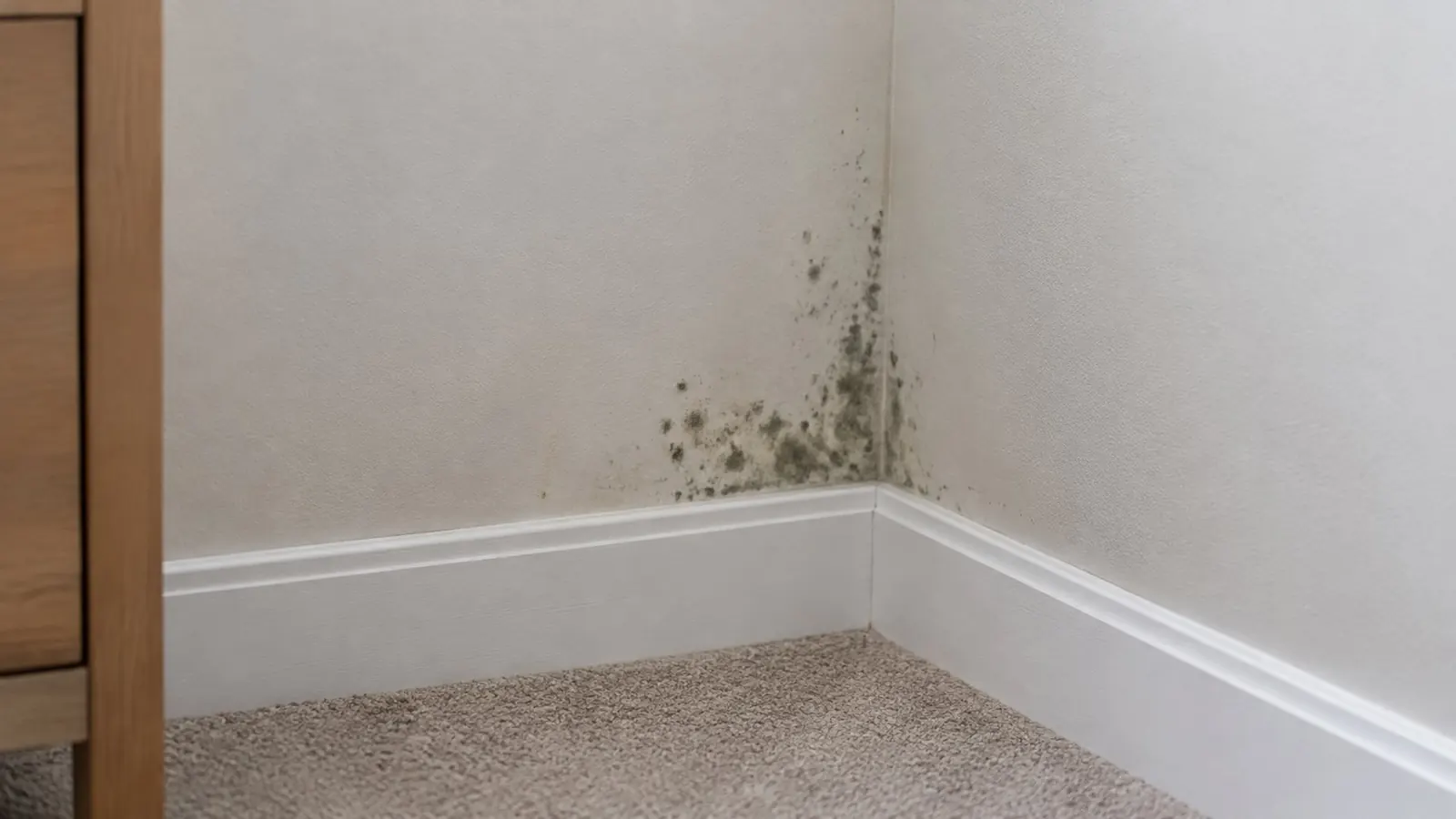
Mold needs moisture to grow. Remediation removes the growth, but it only lasts if the water problem behind it is fixed too.
Moisture first, then the mold
The EPA's guidance puts it plainly: the key to mold control is moisture control. Dry water-damaged areas and items within 24 to 48 hours, and fix the leak, and mold has little to grow on.
Where growth has taken hold, remediation usually means containing the area so spores are not spread through the house, removing porous materials that are affected, cleaning hard surfaces and drying everything thoroughly.
The EPA notes that most people can clean up a moldy area smaller than about ten square feet themselves, following its guidelines. Larger areas, mold in the ductwork, and mold after sewage or contaminated water are cases for a contractor.
Questions for a mold contractor
- What caused the moisture, and who will fix it?
- How will the work area be sealed off from the rest of the house?
- Which materials will be removed, and which cleaned?
- What protective equipment will workers wear?
- How will they show the area is dry when they finish?
Questions
Mold remediation: common questions
Do I need a mold test first?
Not always. The EPA's guidance says that when mold is visible, sampling is usually unnecessary, because the job is to remove it and fix the moisture either way. Testing can help in specific situations; ask the contractor why they recommend it if they do.
Will bleach take care of it?
The EPA does not recommend bleach as a routine part of mold cleanup, and bleach does nothing about the moisture that fed the growth. If you do use it, the EPA warns never to mix it with cleaners that contain ammonia, because the fumes are toxic.
Related problems
- Water damage restorationLeaks, overflows and storm water: extraction, drying and the rebuild afterwards.
- Water extraction and dryingPumping out standing water, then drying the structure with measured readings.
- Burst and frozen pipesA split line in a crawl space, wall or attic, and the water it leaves behind.
Water where it should not be?
Get an Atlanta restoration contractor on the line
The sooner wet materials start drying, the less there usually is to tear out. One call puts you through to an independent contractor who can look at the damage, explain the work and give you their own price.
Speak with a restoration contractor
Your call is routed to an independent water, fire and mold restoration contractor that takes jobs in metro Atlanta. Describe the damage and ask what they would do first.
Call (678) 649-1321Calls may be recorded. How referrals work: disclosure. How call data is handled: privacy.