Guide
The first 48 hours after water gets in
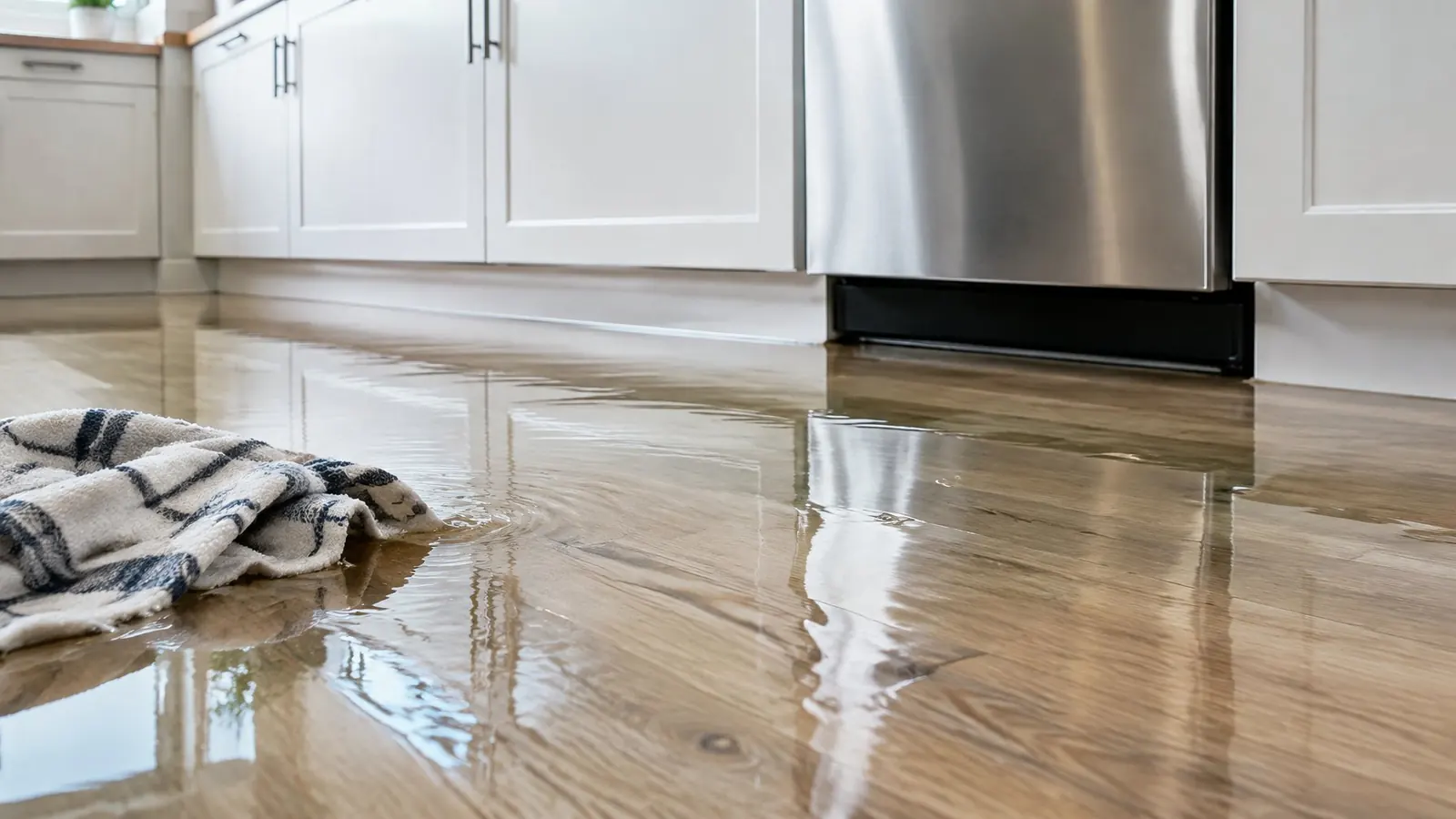
Most of what decides how bad water damage gets happens in the first two days. Here is a plain checklist.
Hour one
Make it safe
If water is near outlets, cords, the electrical panel or a gas appliance, stay out of it. Shut power off at the breaker only from a dry spot.
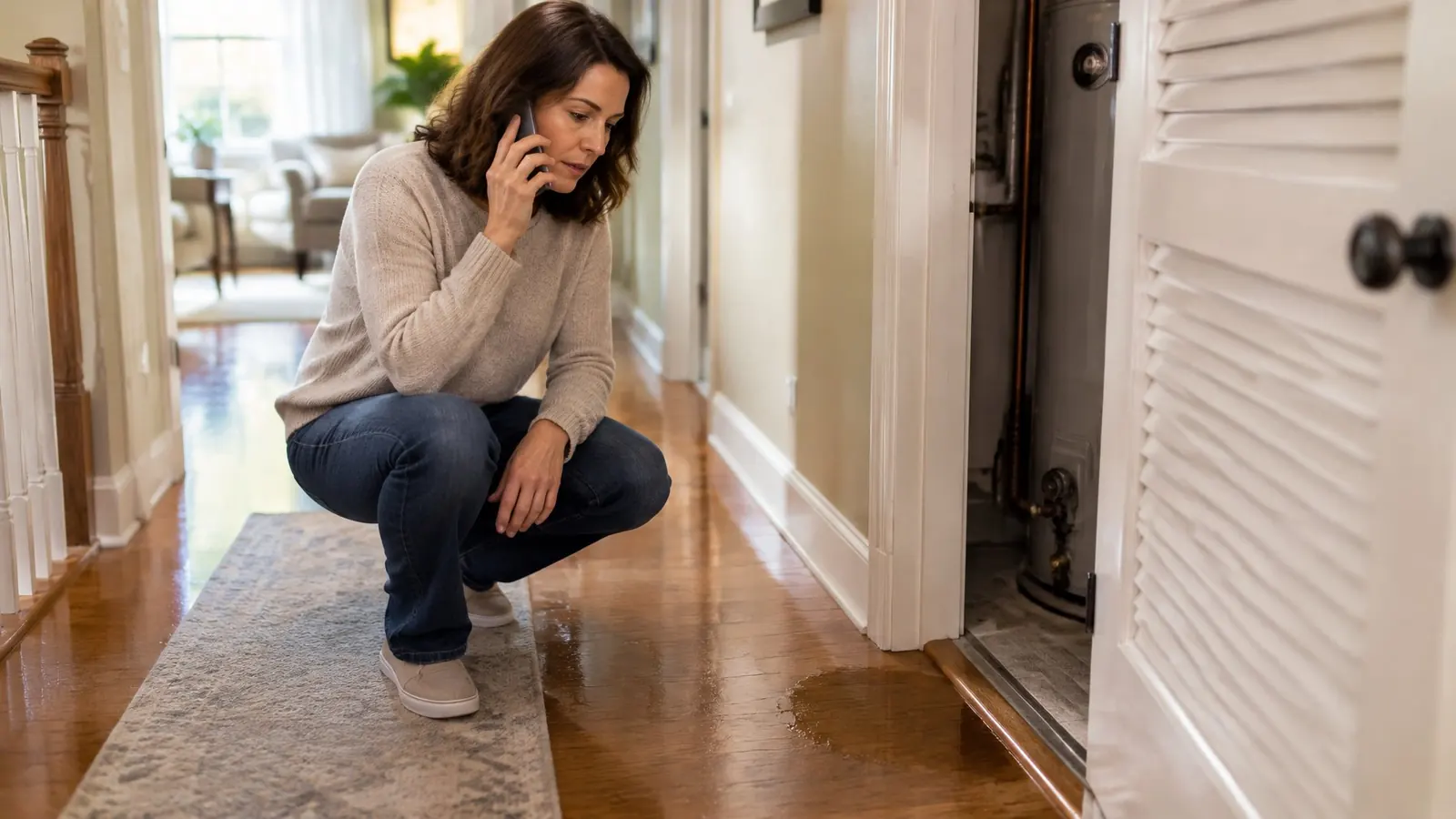
Stop the source
Close the valve behind the fixture or the main shut-off. In the City of Atlanta, water running in the street goes to 404-546-0311.
Protect people
Keep children and pets away, especially from sewage or water that came in from outside.
Switch off, photograph, leave alone
Three short lists
Switch off
- The main water valve
- Breakers for wet rooms, if reachable from a dry spot
- The heating and air system if water or soot reached it
- The gas valve to a flooded water heater or furnace
Photograph
- Every wet room, wide and close
- The source: pipe, hose, roof, drain
- Water lines on walls and furniture
- Serial plates on damaged appliances
- Anything before it goes to the curb
Leave alone
- Sagging ceilings: stand clear
- Sewage-soaked materials without protection
- A household vacuum on standing water
- Permanent repairs before your insurer inspects
Hours two to forty-eight
Get the drying started. The EPA's guidance is to dry water-damaged areas and items within 24 to 48 hours to prevent mold growth. Household fans help on hard floors, but soaked drywall, carpet pad and subfloor usually need commercial air movers and dehumidifiers.
Call your insurance company or agent early. Georgia's insurance department advises filing a claim as soon as possible, notes that a policy may require notice within a set time, and says temporary repairs to prevent further damage are often expected. Keep the receipts. It also warns that making permanent repairs before the damage is inspected can lead to a denied claim.
Write things down. A simple log of who you spoke with, when, and what they said is useful later.
Sources: EPA, mold and moisture guide; Georgia OCI, insurance claim tips
Common first-day questions
Can I stay in the house?
Usually, if the power is safe, the water is clean and the damage is limited to a few rooms. Sewage, a fire, or wet electrical systems are reasons to stay elsewhere until someone qualified says otherwise.
Should I throw out wet carpet?
Photograph it and keep a small sample if you can. Whether it can be saved depends on the type of water and how long it was wet. Pad under the carpet is often replaced.
Is it safe to run the air conditioning?
If the system itself is dry and was not exposed to sewage or soot, running it can help pull moisture from the air. If water reached the unit or ducts, keep it off until checked.
Water where it should not be?
Get an Atlanta restoration contractor on the line
The sooner wet materials start drying, the less there usually is to tear out. One call puts you through to an independent contractor who can look at the damage, explain the work and give you their own price.
Speak with a restoration contractor
Your call is routed to an independent water, fire and mold restoration contractor that takes jobs in metro Atlanta. Describe the damage and ask what they would do first.
Call (678) 649-1321Calls may be recorded. How referrals work: disclosure. How call data is handled: privacy.