Guide · Flooding
Flooding and floodplains in Atlanta
Atlanta sits on a ridge, yet parts of it flood. The city's own floodplain pages explain why, and how to find out about a particular address.
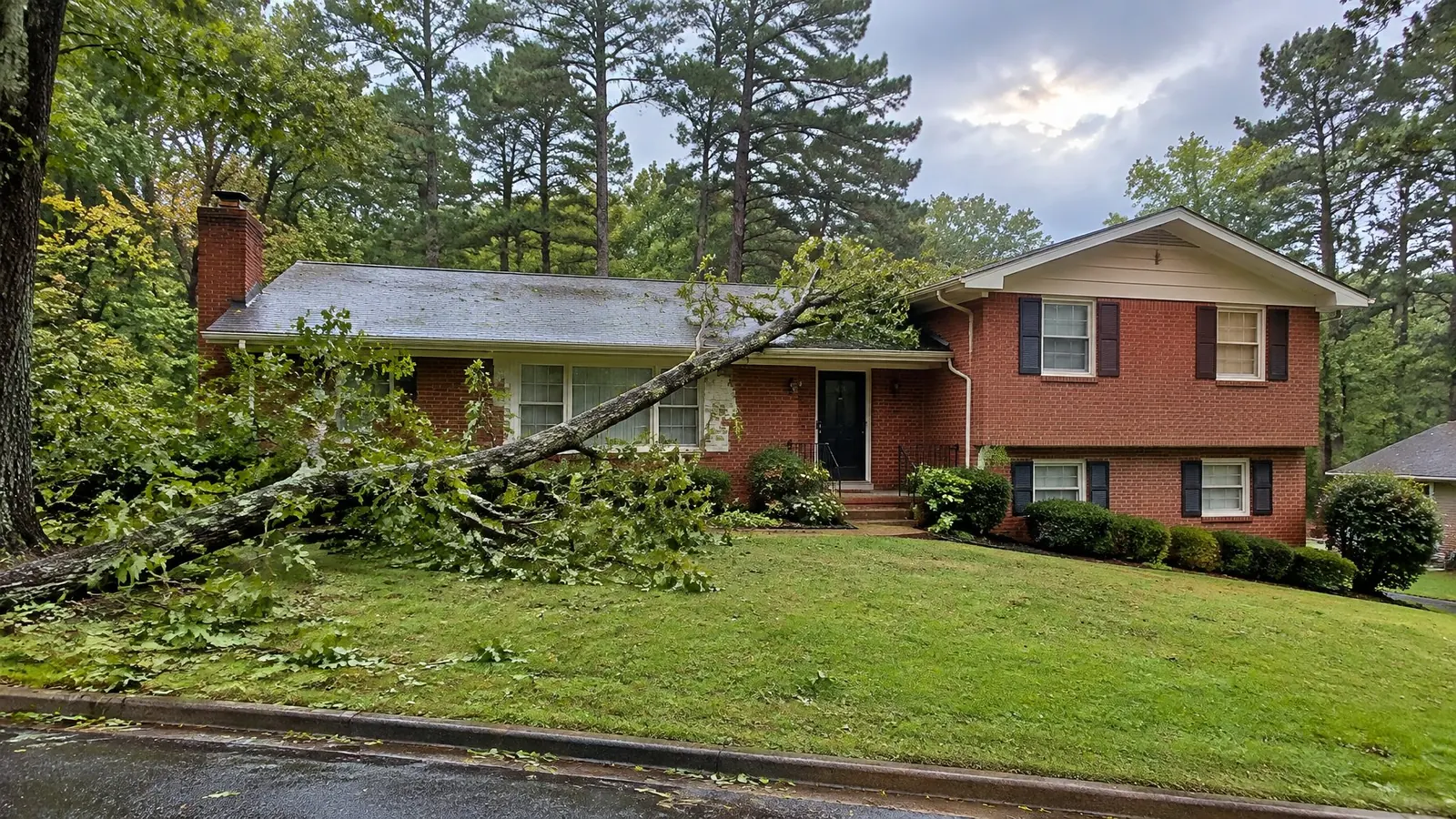
From the city's floodplain pages
How water moves through Atlanta
On the Eastern Continental Divide
The city grew up along the Eastern Continental Divide, so downtown sits at the headwaters of several watersheds. Atlanta has portions of 12 watersheds draining to the Chattahoochee, Flint and Ocmulgee basins.
Source: DWM, Floodplain Management
Five kinds of flooding
The city names riverine, flash, ponding, backwater and urban flooding. Backwater flooding happens when a culvert is too small or blocked and water backs up behind it.
Source: DWM, Floodplain Management
Historically modified floodplain
Old streams were forced into pipes as the city developed, but the land around them can still flood like a creek bed. The city gives these areas that name.
Source: DWM, Floodplain Management
Odds over a mortgage
The city's page points out that a home in the 100-year flood zone has a 26 percent chance of being flooded by the base flood over a 30-year mortgage.
Source: DWM, Floodplain Management
Checking a property
Look at the FEMA map
Flood Insurance Rate Maps are on FEMA's Map Service Center.
Ask the city
Atlanta's Floodplain Administrator (404-546-3291) can give flood zone details for a property, and can issue an official floodplain letter of determination.
Read the rules
The city does not allow new construction or fill in the floodplain. Its floodplain ordinance is in Chapter 74, Article VI of the city code.
Flood insurance is a separate policy
FEMA says most homeowners insurance does not cover flood damage, and that there is typically a 30-day waiting period before a new National Flood Insurance Program policy takes effect. Policies are sold through regular insurance agents.
Georgia's insurance department makes the same point about home policies: most do not cover losses from floods, and coverage can usually be bought separately.
Water where it should not be?
Get an Atlanta restoration contractor on the line
The sooner wet materials start drying, the less there usually is to tear out. One call puts you through to an independent contractor who can look at the damage, explain the work and give you their own price.
Speak with a restoration contractor
Your call is routed to an independent water, fire and mold restoration contractor that takes jobs in metro Atlanta. Describe the damage and ask what they would do first.
Call (678) 649-1321Calls may be recorded. How referrals work: disclosure. How call data is handled: privacy.